


All blogs
AI Tools in Special Education: K-12, IEPs, Legal & Ethical Use
Share


 Copied

EdTech

4min read

September 01, 2026
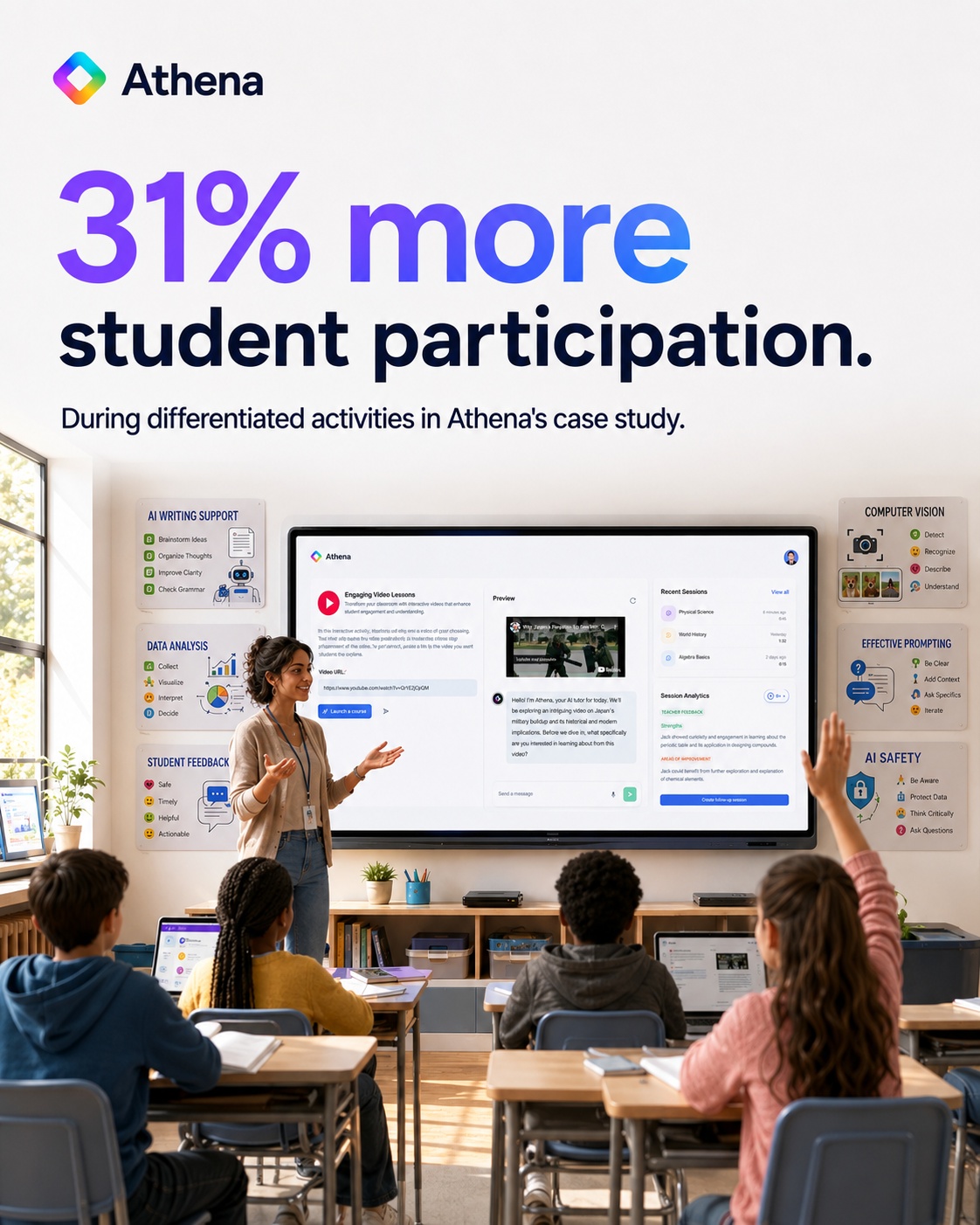
Explore how artificial intelligence (AI) tools are revolutionizing special education in K-12, enhancing Individualized Education Programs (IEPs), and addressing legal and ethical considerations. Discover practical ways AI can empower special education teachers to craft personalized learning experiences and improve outcomes for students and parents with diverse needs. Learn how to leverage AI responsibly to create inclusive and effective learning environments. Dive in to unlock the potential of AI in special education!
What is Special Education and Its Importance in K-12?
Understanding Special Education
Special education is designed to provide tailored instruction to individuals with disabilities, ensuring that young children, school-aged children, and young adults receive support and services that meet their specific needs. This individualized approach prepares them for further education, employment, and independent living. Special education offers equitable access to instruction.
This is often achieved through differentiating and personalizing learning opportunities and curricula, which students rely on for their educational success. Special educators employ early intervention, instructional, and behavioral accommodations or modifications based on a student’s strengths and needs. The goal is to support students with diverse learning needs and create an inclusive environment in general education settings where they can thrive.
The Role of IEPs in K-12 Education
An essential task for special education staff is developing Individualized Education Programs (IEPs). Under the Individuals with Disabilities Education Act (IDEA), any K-12 public school student with a qualifying disability who receives special education or related services must have an IEP. These IEPs outline specific supports, services, and accommodations the student needs.
The aim is to provide an inclusive and effective education each year. Developing and implementing an IEP is meant to be a personalized and collaborative effort among guardians, teachers, related service providers, and sometimes the student. This legally binding document includes sensitive information about a student’s strengths, disabilities, academic history, and health, ensuring that their needs are addressed.
Legal and Ethical Considerations in Special Education
Using artificial intelligence in the IEP process could compromise student privacy, reinforce bias, and weaken the personalized nature of supports for students with disabilities, as required by federal law. The report suggests that administrators and educators may not be fully aware of the potential risks of using AI in this context, which could negatively impact disabled students and potentially violate their legal rights.
How Can AI Tools Enhance Special Education?

Benefits of Using AI in Special Education
Artificial intelligence provides educators with new and powerful tools to drive innovation in schools, including the ability to craft effective IEP snapshots. AI, including language models like ChatGPT, can significantly impact the development of Individualized Education Programs (IEPs) for students with disabilities. Special education professionals can benefit from tools to save time and increase efficiency.
Using AI, like ChatGPT, can expedite the IEP drafting process, providing special education staff more time to understand students’ individual needs and collaborate with educational partners. Tools like these may work best for teachers who deeply understand what works for students in special education and the technology itself. AI addresses challenges by automating routine tasks.
It strengthens individualized education programs (IEPs), provides adaptive interventions for diverse learner needs, and increases teacher efficiencies. AI enhances inclusivity by offering features like speech recognition, text-to-speech, and customized accommodations for students with disabilities. This not only supports students but also empowers teachers by providing them with the necessary tools to meet the diverse needs of their students.
Personalizing Learning Experiences for Students
Personalized learning through AI represents a transformative approach to education sciences, tailoring instructional experiences to meet the unique needs and preferences of each student. Adaptive learning systems, driven by artificial intelligence, dynamically adjust to students’ learning strategies, the sequence and complexity of tasks, and the timing of feedback to optimize their educational outcomes.
The integration of AI with Universal Design for Learning (UDL) principles further enhances personalized learning by fostering inclusion and autonomy. By combining AI’s innovative potential with UDL’s focus on diverse methods of representation, engagement, and expression, educators can reduce obstacles, improve accessibility, and create more inclusive environments that support all students' learning.
AI-driven intelligent tutoring systems (ITSs) enhance personalized learning by leveraging technologies like machine learning, natural language processing, and adaptive algorithms to deliver tailored instruction. ITSs are advantageous for students with disabilities, providing consistent, data-driven feedback, and customized interventions that close learning gaps and promote sustained skill development. Older students also benefit from this technology.
AI Tools for Special Education Teachers
Tools like ChatGPT can enhance drafting IEPs, increasing efficiency and saving time for special education teachers. ChatGPT can assist educators in articulating specific, measurable, achievable, relevant, and time-bound (SMART) goals and objectives for students. Educators can input data about a student’s current academic and functional abilities.
They can also ask ChatGPT to generate clear and concise descriptions for the present levels of performance section of the IEP. ChatGPT can be a valuable AI tool in creating accommodations and modifications tailored to support students in the general education setting, providing insights for enhanced inclusivity and accessibility. Furthermore, ChatGPT can aid in outlining goals and activities to support a smooth transition for students.
These students are approaching transition points in their education. It also refines the language used in the IEP, making it more accessible and understandable for parents, students, and other IEP team members, which students rely on for clarity. Ultimately, the use of AI tools empowers teachers by providing them with the support needed to personalize education and improve outcomes for all students, especially those with specific needs.
What is the IEP Development Process?
Steps in Creating Individualized Education Programs
An essential responsibility for special education staff is developing Individualized Education Programs (IEPs). Writing effective IEPs is a complex task, requiring a deep understanding of each student’s educational and social-emotional context, familiarity with legal requirements, and the ability to collaborate effectively with an IEP team.
Involving AI in the IEP Development Process
By tapping into the capabilities of ChatGPT and other AI tools, educators can streamline and enhance the IEP development process, ensuring the creation of well-crafted, individualized plans for students. However, teachers need to review artificial intelligence’s suggestions carefully to ensure that they are appropriate for the specific needs of students with disabilities.
Educators must be responsible and discerning when interpreting and implementing suggestions from ChatGPT and other AI tools, adapting the generated content to suit the specific needs and context of each student. To ensure responsible use of AI technologies, district policies should include guidance on legal compliance with IDEA, Family Educational Rights and Privacy Act (FERPA), and state privacy laws.
Supporting Students with Disabilities through IEPs
IEPs outline the specific supports, services, and accommodations a student needs to receive an inclusive and effective education each year. An IEP is designed to be a personalized and highly collaborative effort involving guardians, teachers, related service providers, and at times, the student. This collaborative approach ensures that the IEP reflects the student’s unique needs and goals, promoting their success.
How Can Educators Utilize AI Tools Effectively?

Empowering Teachers with AI Technologies
Artificial intelligence can be a powerful tool for educators, breaking through writer’s block and offering clearer, more objective descriptions of student behavior. This empowers teachers to refine their approach to special education. For special educators, AI systems offer transformative advantages. They streamline lesson planning, enable individualized instruction, and provide on-demand professional development, ultimately benefiting students’ unique needs and supporting IEP development.
Special education teachers, with their deep understanding of what works for students in special education, can leverage AI to evaluate content generated through hands-on professional development. Using AI in this way saves time, allowing teachers to focus more on instruction and student interaction. With effective AI queries, educators can assess the efficacy and relevance of the generated content, ensuring that it aligns with the students’ learning needs.
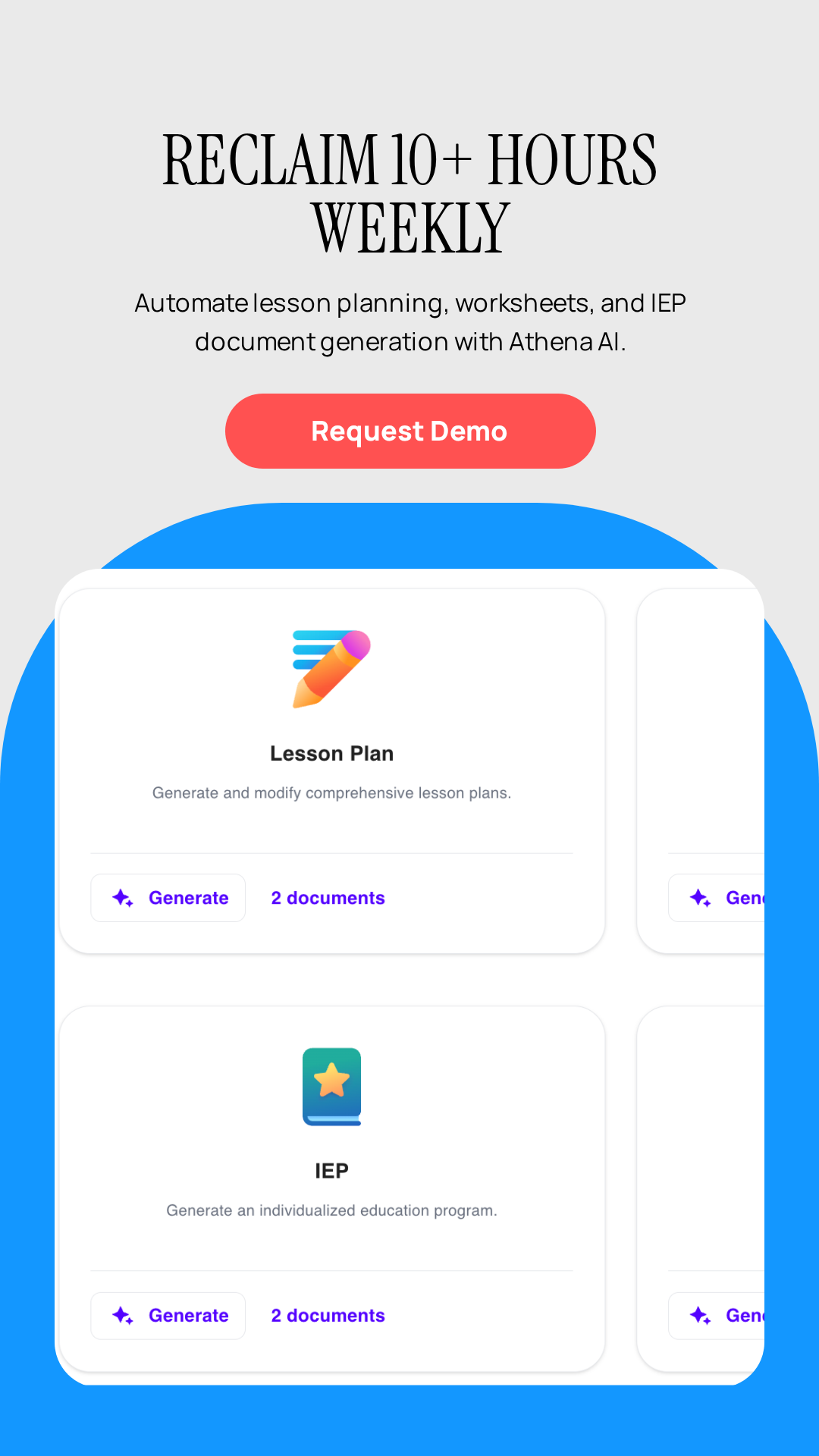
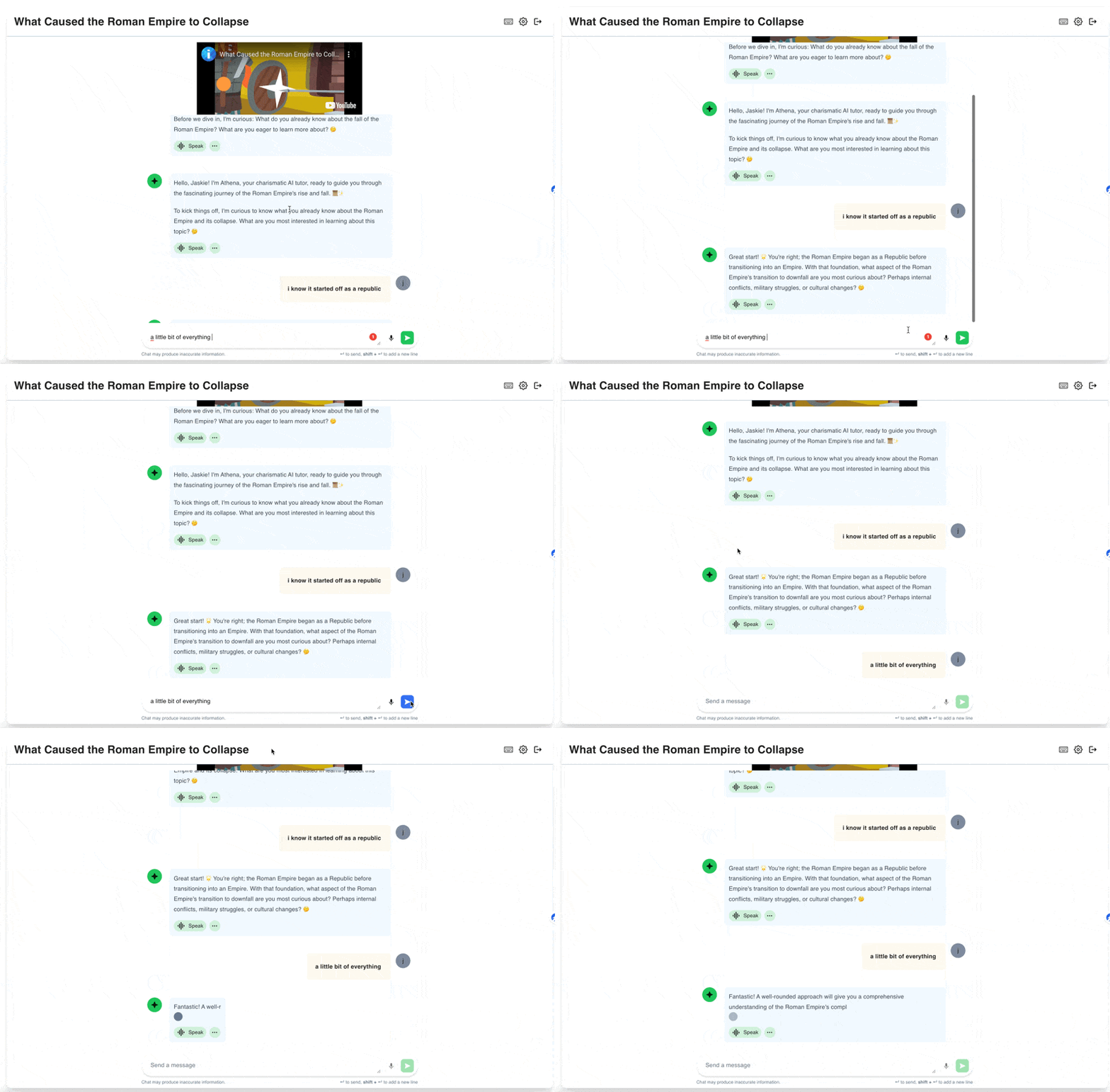
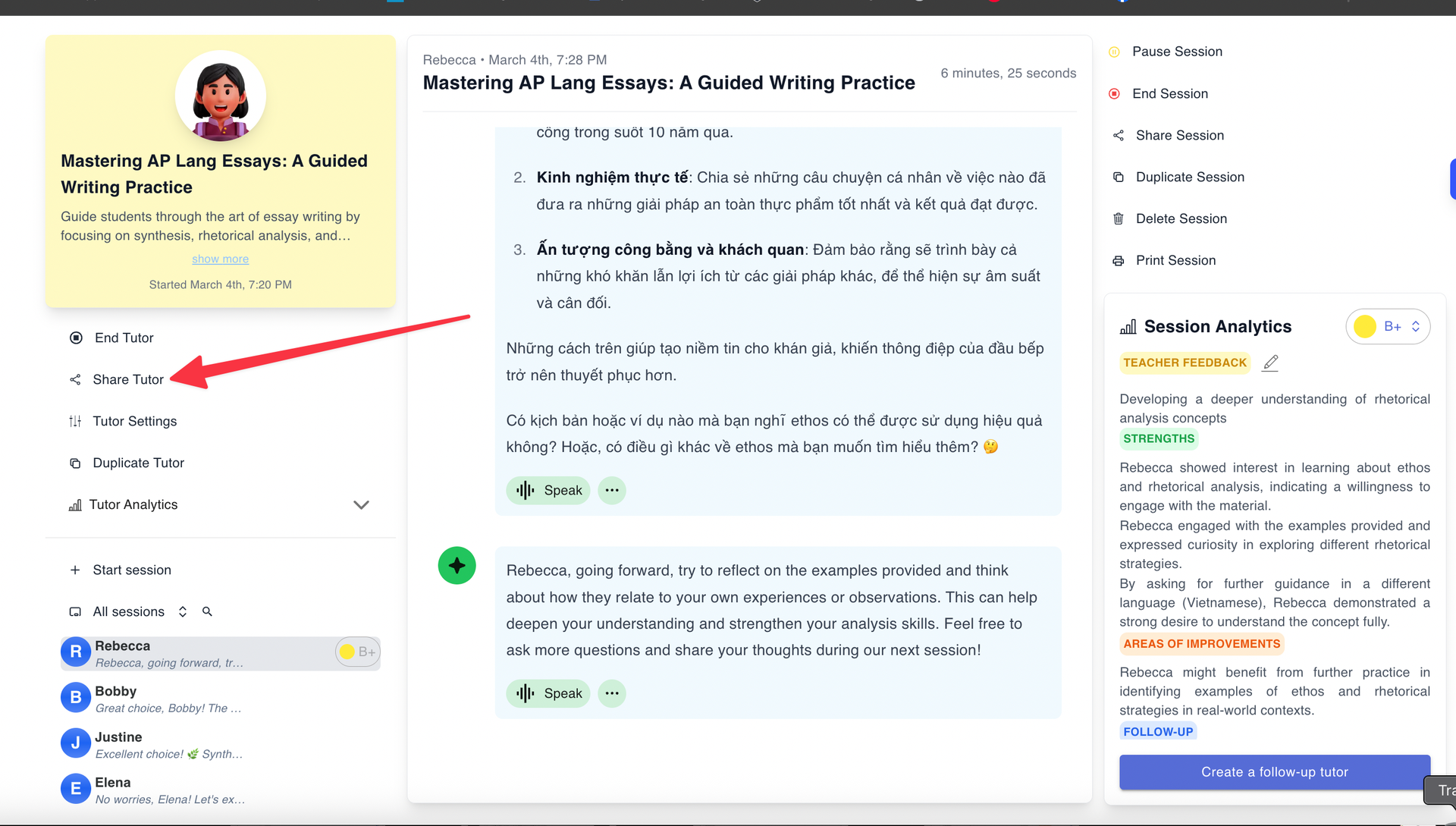
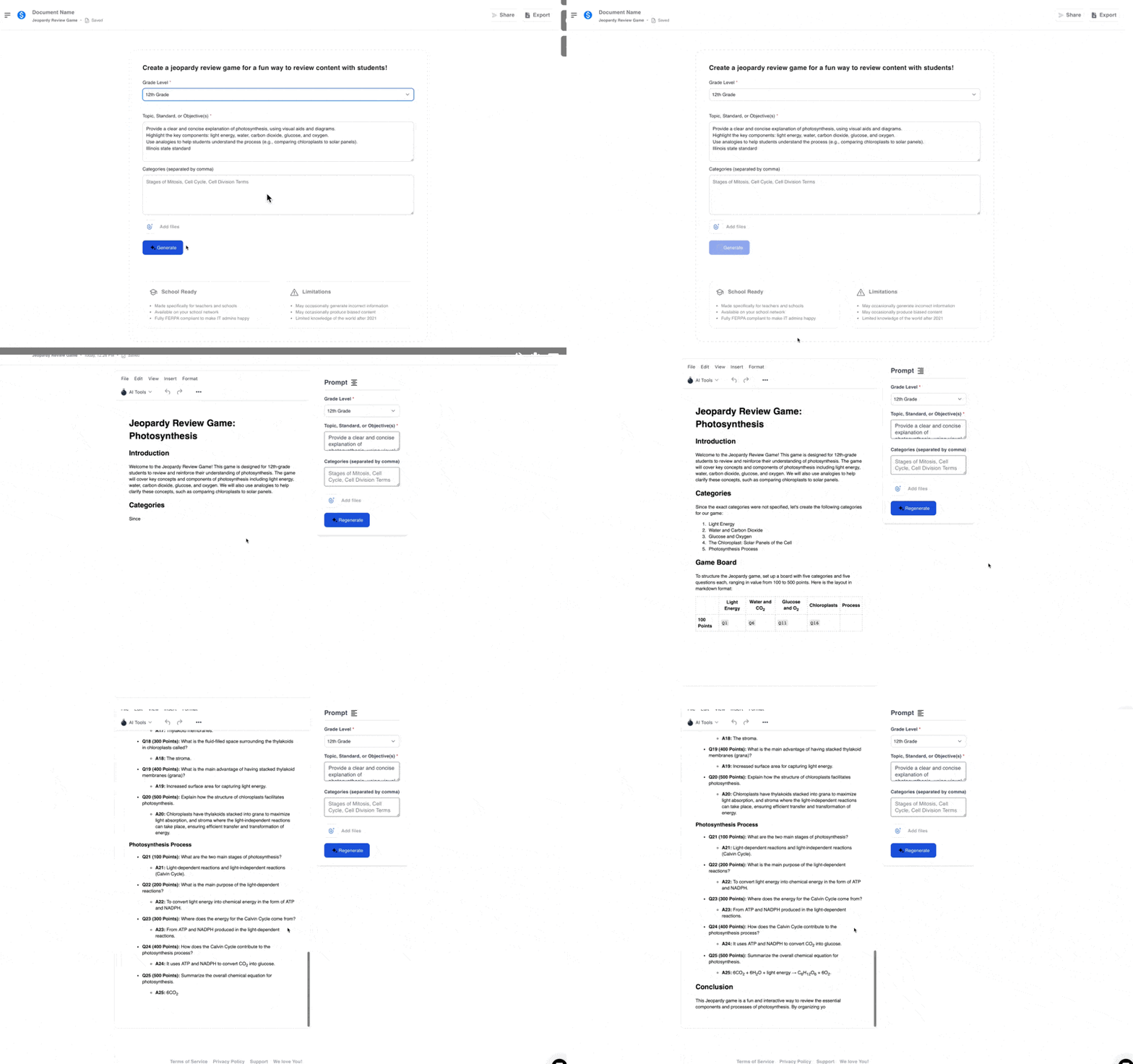
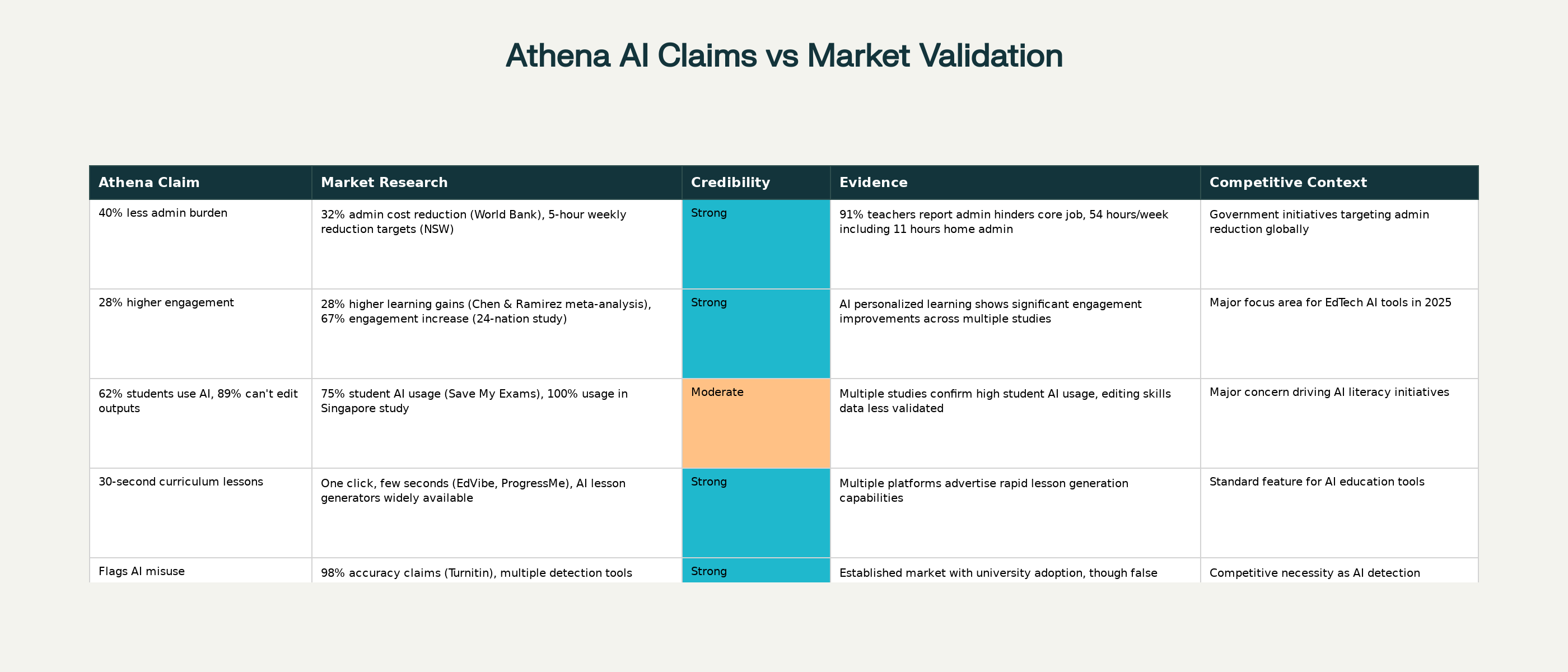
Automating routine tasks like grading and attendance allows special educators to focus more on direct instruction and student interaction. Athena, an AI-powered learning platform designed for K-12 education, automates tasks for teachers and provides personalized learning support to students. This not only reduces lesson planning time but also provides real-time insights into student struggles, making it easier to tailor instruction to individual needs.
Strategies for Implementing AI in Lesson Planning
Generative AI tools simplify language, making it appropriate for various reading levels in just minutes. Special education teachers often adapt complex texts to support IEP development and meet the decoding and comprehension needs of students with reading disabilities. With AI, teachers can customize reading levels without drawing attention to the student and without spending hours on this task.
These time-intensive processes can be significantly streamlined using generative AI tools like ChatGPT to craft IEP snapshots efficiently. These new tools can produce summaries, revised content at specific reading levels, and customized word lists, fluency passages, and comprehension questions. Empowering teachers, these AI technologies save time and allow for more personalized instruction for diverse needs. However, a skilled professional must thoroughly review the generated materials to ensure accuracy and appropriateness.
Integrating artificial intelligence into lesson planning enhances efficiency and personalization, ultimately supporting students with learning and helping them succeed. The use of AI for lesson planning not only helps teachers individualize learning experiences but also ensures that the materials are accessible and effective for all students. Using generative AI enables educators to support students’ diverse needs efficiently.
AI Tools that Help Educators Support Diverse Needs
AI tools work best for special education teachers who deeply understand what works for students in special education and the technology itself. Magic School—an AI platform created for K-12 education—can help special education teachers support IEP development and craft student learning goals for an individualized education program. These AI tools are designed to help educators support students.
Goblin is a free AI tool aimed at helping neurodivergent people organize tasks and manage emotionally charged messages. Teachers can use this AI tool to help students participate in classroom activities. Canva is a design tool with a version specifically geared toward K-12 schools and is therefore age-appropriate for many students. These available tools can greatly support students.
Athena provides disability-aware instruction and automates accommodations, making differentiation effortless. Athena provides real-time insights into student struggles and offers real-time emotional intelligence tracking, which students rely on for personalized support. Integrating artificial intelligence in this way helps teachers support every learner effectively. These empower teachers, allowing them to better address the specific needs of students and promote inclusive environments in K-12 settings, where students rely on tailored support.
What Are the Legal Requirements for Using AI in Education?

Understanding Legal and Ethical Guidelines
When utilizing AI in IEP development, human oversight is paramount. Schools should adopt strong governance, transparency, and accountability mechanisms. Transparency is a fundamental ethical consideration. Parents, guardians, and students must be informed when AI is used in decision-making processes to promote trust and communication around decisions made with AI assistance.
Ethical issues surrounding AI in special education primarily involve challenges related to accuracy, accountability, transparency, and consent, particularly as the output is used to inform critical decisions about students. The potential of AI in special education is vast, but responsible and ethical use, including the creation of IEP snapshots, is crucial to ensuring it benefits students. Teachers and administrators must prioritize legal and ethical considerations.
When integrating artificial intelligence into special education, it's essential to understand the legal and ethical guidelines that safeguard student rights and privacy. A core focus is responsible AI use, guiding students to answers rather than simply providing them. This ensures that technology in education enhances critical thinking and problem-solving skills.
Compliance with Educational Regulations
District policies should include guidance on legal compliance with IDEA, Family Educational Rights and Privacy Act (FERPA), and state privacy laws. Special education directors should consult their compliance offices and attorneys regarding potential legal risks of using AI and IEP development, particularly in relation to IEP snapshots. These regulations ensure that the use of AI aligns with the legal requirements and protects students' rights.
The need to adhere to educational regulations is critical when implementing AI to craft solutions in special education settings. This includes understanding the legal requirements of IDEA, FERPA, and other relevant state and federal laws. Prioritizing compliance helps to mitigate potential risks and ensures that AI is used responsibly and ethically to support the needs of students with disabilities.
Compliance with educational regulations when using AI in special education ensures that student data is protected and that AI tools are used in a way that aligns with legal requirements, supporting IEP development effectively. This proactive approach helps to create a safe and ethical learning environment where AI technologies are used to enhance, not compromise, the education of students with disabilities.
Protecting Student Data in AI Applications
Student data—including diagnoses of learning differences or cognitive disorders—need to be kept private. Teachers must be extremely careful about privacy issues when using AI tools to write documents that contain sensitive student information. Teachers should not put names into any sort of AI, and they need to be specific without being pinpoint.
When using any AI tool for these types of tasks, it is necessary for users to ensure compliance with privacy policies and statutes, particularly when the functions include personally identifiable data. Student data entered into an AI system should be anonymized, with names and other personally identifiable information removed. Athena ensures that data is secure and private, complying with standards like FERPA, COPPA, and SOC2.
Protecting student data in AI applications is essential to maintaining privacy and trust in special education. Integrating artificial intelligence requires a focus on safeguarding student information, adhering to privacy standards, and utilizing IEP snapshots for accurate record-keeping. Special educators must ensure they use AI tools responsibly to protect sensitive student information, especially when creating IEP snapshots.
How to Individualize Education Using AI Tools?

AI's Role in Tailoring Education to Individual Needs
Teachers need to have a deep understanding of their students to know whether to adopt AI's recommendations. Relying solely on AI tools for lesson planning or writing reports “takes the individualized out of individualized education." A seasoned special education teacher would be able to get more individualized recommendations. However, AI can analyze student data and identify patterns.
Personalized learning through AI represents a transformative approach to education, tailoring instructional experiences to meet the unique needs and preferences of each student. Adaptive learning systems are AI-driven platforms that dynamically adjust to students’ learning strategies. Athena leverages AI to develop critical thinking skills in students. It provides teachers with real-time insights and reduces their workload.
Intelligent Tutoring Systems (ITSs) enhance personalized learning by leveraging technologies like machine learning, natural language processing, and adaptive algorithms to deliver tailored instruction. ITSs are particularly advantageous for students with disabilities. They provide consistent, data-driven feedback and customized interventions that help close learning gaps and promote sustained skill development. These new tools can revolutionize education.
Using Generative AI for Personalized Learning
AI can be used to streamline the creation of parent resources, including resource lists, home strategies, multilingual translations, and IEP snapshots for better communication. This can save time and support diverse families. Integrating artificial intelligence in this way enhances inclusivity. Teachers can design effective AI queries and evaluate responses through hands-on professional development with AI platforms.
Special education teachers often adapt complex texts, such as grade-level novels, to meet the decoding and comprehension needs of students with reading disabilities. Using generative AI, these time-intensive processes can be significantly streamlined. With AI to help, special educators can produce summaries, revised content at specific reading levels, and customized word lists, fluency passages, and comprehension questions.
Accessibility is enhanced when therapists and teachers collaborate to make learning easier for students. AI-driven technologies break down access barriers that students with disabilities often face in education. Generative AI empowers teachers to personalize learning, ensuring that each student's unique needs are met and that they have the opportunity to succeed.
Case Studies of Successful AI Implementation
Rakap and Balikci used an experimental design to provide empirical evidence that ChatGPT supports the development of high-quality IEP goals for preschool children with autism. ChatGPT was found to significantly improve the quality of IEP goals when compared to the goals written by teachers who did not use the technology. This highlights the potential of AI to support special education.
The integration of web-based training programs has been shown to increase the working memory capacity of students with autism spectrum and related developmental disorders. Dynamic user interfaces with similar technologies have shown early results that provide a promising strategy to increase accessibility for individuals who are visually impaired. Support special educators with new tools.
AI-powered interventions have also been shown to improve phonics skills among students with dyslexia. An AI-driven matching database was shown to be effective in helping reduce the unemployment rate of adults with disabilities. These case studies demonstrate the effectiveness of AI in various special education contexts.
What Are the Challenges of Integrating AI in Special Education?
Addressing Concerns of Accessibility and Equity
Accessibility and equity are paramount when integrating artificial intelligence in special education. Some express concern, cautioning against freely unleashing a child on AI without proper guidance. Ethical considerations, potential biases, and privacy concerns surrounding the use of AI must be addressed to ensure that tools like ChatGPT align with the specific needs of students with disabilities.
Large language models that drive AI are trained with large, public datasets that contain biases, including stereotypes and demographic under-representations. Establishing clear policies about the use of student data with AI can help ensure trust with stakeholders. Special education teachers must have tools that personalize instruction effectively, adapting to different learning styles and disabilities to personalize instruction.
With thoughtful implementation and clear policies, AI provides opportunities to support special education and ensure equity. Establishing clear policies about the use of student data can help ensure trust with stakeholders that any AI queries and recommendations align with the student’s unique needs and goals. This proactive approach helps foster a more inclusive learning environment in K-12.
Overcoming Resistance from Educators and Administrators
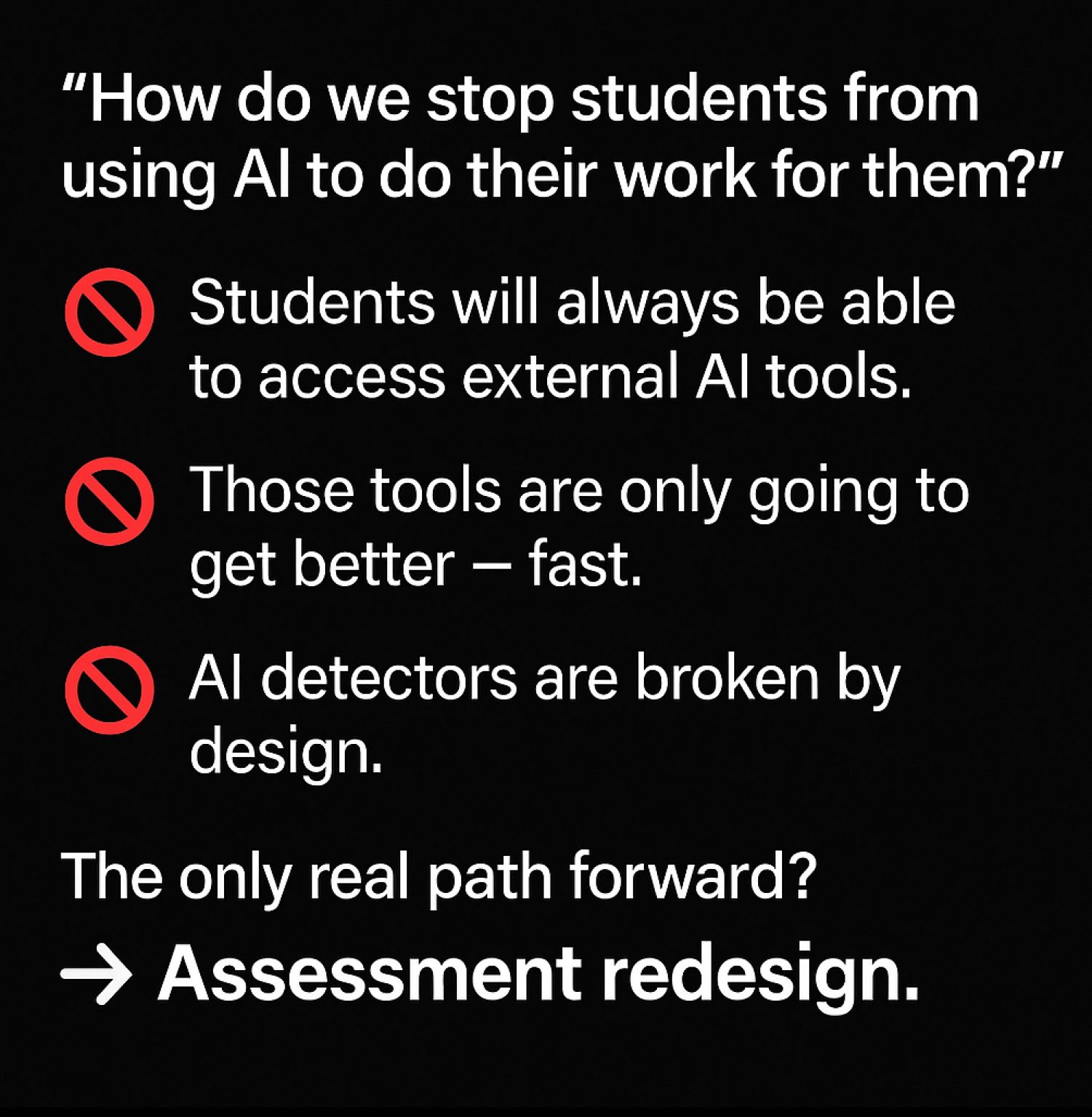
To overcome resistance from educators and administrators, it's essential to demonstrate the potential of AI to help streamline tasks and improve student outcomes. Many may not be aware of the potential risks of using AI in this context. Educators need training to design effective AI queries, assess generated content, and ensure relevance.
Teachers remain at the helm of major instructional decisions, using AI as a support tool rather than a replacement for human expertise. Parents, guardians, and students must be informed when AI is used in decision-making processes to promote trust and communication around decisions made with AI assistance. This transparency fosters a collaborative environment in special education, particularly when using IEP snapshots to share student progress.
With proper training, resources, and support, educators can embrace AI as a valuable tool to enhance their practice and improve outcomes for students with disabilities. School leaders and administrators seek to improve student outcomes, ensure responsible AI use, and maintain data privacy and security. AI is a great technology in education.
Ensuring Quality and Reliability of AI Tools
Ensuring the quality and reliability of AI tools is essential to effectively supporting special education. Teachers need to review artificial intelligence’s suggestions carefully to ensure that they are right for specific students. These tools should be seen as aids to enhance, not replace, human judgment. AI should augment, not replace, human expertise.
Researchers highlight the importance of human oversight in AI. Highly skilled professionals are needed to ensure that an IEP is designed to substantively match a student’s needs. This is particularly important because federal regulations state that only human members of an IEP Team can ensure an IEP is designed to match the student’s needs, and IEP snapshots can help document this process. These legal requirements must be adhered to.
Tools like ChatGPT should be used as a starting point, with educators using their expertise to refine and individualize the content for each student. By integrating human oversight and critical evaluation, educators can ensure the quality and reliability of AI tools and responsibly use them to support students with disabilities. This empowers teachers to make informed decisions.
How Can AI Help Students with Unique Needs?
Supporting Students with Learning Disabilities
AI tools can significantly support students with learning disabilities by personalizing instruction and providing tailored assistance. Generative AI tools can simplify the language of a text to an appropriate reading level in just minutes. Some students with learning disabilities have trouble organizing their thoughts or getting their point across, and AI can help structure their ideas, which students rely on for better communication.
AI has also been suggested as an intervention to reduce the workload of special education teachers, freeing up their time to focus on individual student needs. Tools such as "AccessAI" help students with disabilities by offering text-to-speech, sign language avatars, and adaptive interfaces, making education more inclusive and equitable through the use of AI models. These assistive technologies greatly support learning needs.
By offering personalized support and accessible resources, AI can empower students with learning disabilities to overcome challenges and achieve academic success. Tools like Athena provide real-time emotional intelligence tracking, helping teachers support every learner effectively and ensuring that students and parents are engaged in the process. The platform emphasizes critical thinking and self-guided learning, promoting the development of essential skills.
AI Tools for Assisting Students with Physical Challenges
AI tools can greatly assist students with physical challenges by providing adaptive interfaces and enabling active participation in learning. AI can create tools such as 3D models, simulations, and virtual environments, enabling students with physical disabilities to actively engage in hands-on learning experiences that might otherwise be inaccessible. These innovative tools are very inclusive.
Speech recognition technologies enhance students’ ability to share thoughts and ideas while also supporting them to feel more connected and included in social settings. Integration of AI offers tailored support. AI can create personalized learning experiences, adapting to the specific needs and abilities of each student with physical challenges through the use of generative artificial models. This provides enhanced communication.
By offering accessible resources and personalized support, AI can empower students with physical challenges to overcome barriers and achieve their full potential in K-12 education. Assistive technology is critical for students who rely on various tools available to enhance their learning experiences. These inclusive tools enable students to participate more fully in classroom activities and achieve academic success.
Enhancing Communication for Students with Speech Impairments
Enhancing communication for students with speech impairments is a critical aspect of inclusive education. Artificial intelligence-driven linguistic technologies play a pivotal role in supporting students with communication disabilities. These innovations encompass tools like speech recognition software, text-to-speech systems, and language translation platforms.
Canva can provide visuals for students in special education as they work to be more specific in their communication. Large language models that provide these resources help students articulate their thoughts and ideas more effectively. Integrating artificial intelligence can support students’ expressive communication. This is especially important for IEP meetings.
AI tools can also provide personalized feedback and support to students as they develop their communication skills, helping them build confidence and fluency. Athena has speech-to-text and text-to-speech capabilities. By offering accessible resources and personalized support, AI can empower students with speech impairments to communicate more effectively. Utilizing AI is crucial for IEP development.
What is the Future of AI in Special Education?
Emerging AI Technologies in the Education Sector
Emerging AI technologies are revolutionizing the education sector, especially in special education. Generative AI represents an unprecedented opportunity to transform teaching and learning, particularly in special education. Integration of AI offers tools to enhance accessibility, personalize instruction, and provide targeted support to students with diverse needs. AI is used in new ways.
Technologies traditionally designed to support students with disabilities have evolved given the advances in today’s mainstream tools and platforms. The transition from AI to generative AI signifies a critical advancement in the field, offering new ways to empower students with disabilities and support their teachers. Integration of AI offers immersive experiences.
By leveraging the power of AI, educators can create more inclusive and effective learning environments that meet the unique needs of all students. Integration of AI with augmented reality (AR) and virtual reality (VR) creates immersive experiences for science, history, and art education. The potential of AI is vast. These tools are available to support learning.
Predictions for the Role of AI in K-12 Education
Predictions for the role of AI in K-12 education suggest a transformative impact on teaching and learning. AI can be leveraged to support learners with disabilities as well as their families and teachers. Generative AI provides tremendous potential for us to empower people with disabilities, offering effective forms of accessibility and even potentially acting as a “cognitive prosthesis”. These predictions highlight the power of AI.
For students with disabilities and the educators who serve them, it is critical that researchers, educators, and policy makers attend to the ways AI is changing how we teach and how students learn. It is not as though we want students to stop writing or teachers to stop lesson planning, but we have an opportunity to examine how AI can now augment these processes. This could improve the outcomes of more students with disabilities. With great potential comes ethical responsibility.
As AI continues to evolve, it will play an increasingly important role in shaping the future of education, providing personalized support, enhancing accessibility, and empowering students to reach their full potential. By thoughtfully integrating AI into K-12 education, we can create more inclusive and equitable learning environments for all students. These inclusive environments support students.
Preparing Educators for an AI-Driven Classroom
Preparing educators for an AI-driven classroom is essential to ensure that AI is used effectively and ethically in special education. When AI is used to remove the perceived burden of disability, this construct is inherently based on ableist assumptions, which operates from a deficits-based perspective. Teachers and administrators must adapt to new learning needs.
AI can be best leveraged when it is coupled with the expertise of a knowledgeable professional, particularly one who knows the unique strengths and challenges of their student with a disability. For this reason, it is critical that educators be trained to design effective AI queries; to evaluate responses through hands-on professional development with AI platforms; and to assess the efficacy and relevance of the content that has been generated. This will ensure the student’s unique needs are met.
Training on AI prompt generation can help teachers refine and improve the quality of their input queries and commands. Integrating artificial intelligence requires a focus on ethical guidelines and ongoing evaluation to ensure its effectiveness and equity. Special educators need to stay updated on training. A curriculum revamp can incorporate AI literacy into teacher training.
How to Stay Updated on Legal and Ethical Standards?
Resources for Educators on AI and Legal Compliance
To stay updated on legal and ethical standards, educators can access a variety of resources that provide guidance on AI and legal compliance. District policies should also include guidance on legal compliance with IDEA, Family Educational Rights and Privacy Act (FERPA) and state privacy laws. Consulting with compliance offices and attorneys can help special education directors navigate potential legal risks.
These resources empower educators to make informed decisions and ensure that AI is used responsibly and ethically in special education. Educators can join professional organizations dedicated to promoting ethical AI use in education. These organizations offer resources such as webinars, workshops, and best-practice guidelines. These are important legal requirements.
By accessing these resources and actively engaging in professional development, educators can stay informed about the legal and ethical standards governing the use of AI in education, ensuring that AI is used responsibly and ethically to support students. AI provides opportunities to support special education.
Continuing Education Opportunities for Special Education Teachers
Continuing education opportunities are essential for special education teachers to stay updated on AI tools available and best practices in education sciences. AI tools may work best for teachers who already have a deep understanding of what works for students in special education and of the generative artificial tech itself. Training on AI prompt generation can help teachers refine and improve the quality of their input queries.
Professional development programs can provide hands-on experience with AI platforms, helping teachers develop the skills needed to effectively integrate AI into their instruction. Educators must be trained to design effective AI queries; to evaluate responses through hands-on professional development with AI platforms; and to assess the efficacy and relevance of the content that has been generated.
By participating in continuing education opportunities, special education teachers can enhance their understanding of AI and its applications in education, empowering them to use AI effectively and ethically to support their students. Integrating artificial intelligence offers opportunities for professional development.
Networking and Collaborating with Other Educators









CustomersWhy Schools love Athena
Community of 8k+ members.
I used to spend hours creating differentiated worksheets with limited impact. Now, I can see exactly where each student is struggling in real-time. I noticed six students struggling with fraction division conceptually, so I pulled them for a targeted mini-lesson while others continued progressing independently.

FAQs
Is Athena safe and compliant with educational privacy standards?

Can Athena be used for different subjects?
How does Athena handle feedback and improve its AI models?
How does Athena provide personalized learning for each student?
What is Athena, and how does it help teachers and students?
How can I get my school or district on board?
How does Athena support responsible AI use for students?
What happens with student data?
Related blogs


Secure, Private, and Built for Schools


